How to Make Travel Proposals That Win Bookings
A working guide to building travel proposals clients actually say yes to — what to include, how to present options and pricing, and the presentation mistakes that quietly cost you bookings.
There's a moment every travel advisor knows. You've spent an hour on the phone, another hour chasing supplier rates, and now you're sitting in front of a blank document trying to turn a forwarded email into something a client will actually be excited to open.
And then — silence. No reply. Or worse, "we're going to think about it," which usually means they've quietly booked it themselves.
Here's the thing most advisors get wrong about that silence: it's rarely about price. Clients who go quiet almost never do so because the trip cost too much. They go quiet because the proposal didn't make the decision easy. It didn't tell them what they were getting, what it cost all-in, why this option, and exactly what to do next.
This guide covers what a proposal needs to do, the eight parts that belong in one, and the presentation choices that separate a proposal that closes from one that gets ignored.
What a proposal is actually for
A proposal is not a quote. A quote is a number. A proposal is the document that makes a client feel confident enough to hand you their money and their vacation.
That means it has three jobs, in this order:
- Show them the trip. Not the fare code — the experience. They need to picture themselves there.
- Make the decision obvious. Clear options, a clear recommendation, no ambiguity about what's included.
- Prove you're the expert. Everything on the page should reinforce that they're better off with you than booking it alone.
Every element below serves one of those three jobs. If something on your proposal serves none of them, cut it.
The eight parts of a proposal that closes
1. A trip overview they can absorb in ten seconds
Destination, dates, travelers, and a one-paragraph summary of what this trip actually delivers. Not "7-night Western Caribbean." Something closer to "Seven nights out of Fort Lauderdale over spring break, with two full days in the water at Cozumel and Grand Cayman — built around getting the kids snorkeling."
The overview is the hook. If a client reads only this, they should still know what you're proposing and why.
2. A day-by-day itinerary
This is the heart of the document, and it's where most proposals go thin. Specificity is what sells: "boutique hotel in the Amalfi Coast" is forgettable; naming the property and why you picked it is persuasive.
For cruise proposals, the itinerary does double duty — it's also where you set expectations. Port days, sea days, arrival and departure times. A client who doesn't cruise often has no idea that a 7:00 AM arrival in Ketchikan means an early morning, or that a scenic-cruising day is one of the best days of the trip. Tell them.
3. Options — presented side by side, with a recommendation
Give people two or three real choices, not seven. Too many options doesn't feel generous; it feels like homework, and homework gets postponed.
And then — this is the part advisors skip — tell them which one you'd pick and why. "My pick is the balcony on Deck 10; you'll want that glacier morning to yourselves" is worth more than three neutral option cards. You're not being pushy. You're doing the job they hired you for.
More on structuring and ordering choices in how to present multiple options without overwhelming your client.
4. Pricing that doesn't hide anything
Show the all-in number. Base fare, taxes, port fees, gratuities — totaled, per person and for the party.
Burying the price feels safer. It isn't. A client who finds a number they're comfortable with early feels in control and moves faster. A client who discovers $400 of port fees after they've emotionally committed feels ambushed, and that feeling attaches itself to you.
5. What's included — and explicitly what isn't
List both. Flights, transfers, meals, drinks package, excursions, insurance, tips, visa fees. The "not included" list is not a weakness; it's the single cheapest trust-builder in the whole document, and it prevents the post-booking conversation nobody enjoys.
6. Why you
A short line about your experience with this destination, this line, or this kind of trip. If you've sailed the ship, say so. If you've placed forty families on this itinerary, say that.
Clients aren't comparing your proposal to a competitor's proposal. They're comparing it to booking online themselves. This is the section that answers "why not just do this on the cruise line's website?"
7. One obvious next step
Not "let me know your thoughts." That's an invitation to do nothing.
Give them a single, specific action: hold this cabin, approve the balcony, book a fifteen-minute call. The best proposals let a client act right there — tap a button, and you know instantly.
8. A validity date
"Pricing held through Friday, October 3." One line. It protects you if supplier pricing moves, and it gives an otherwise open-ended decision a natural deadline. Urgency you didn't have to manufacture.
Here's what that looks like in practice
Reading about proposal structure only gets you so far. This is a real, published proposal — the same quote, and you can flip it between six different designs to see how much presentation changes the read:
BAHAMAS
4 Nights Bahamas & Perfect Day Cruise
Day by day
Bahamas
4 Nights Bahamas & Perfect Day Cruise
Oceanview Balcony

Ultra Spacious Oceanview Balcony

Day by day
Bahamas
4 Nights Bahamas & Perfect Day Cruise
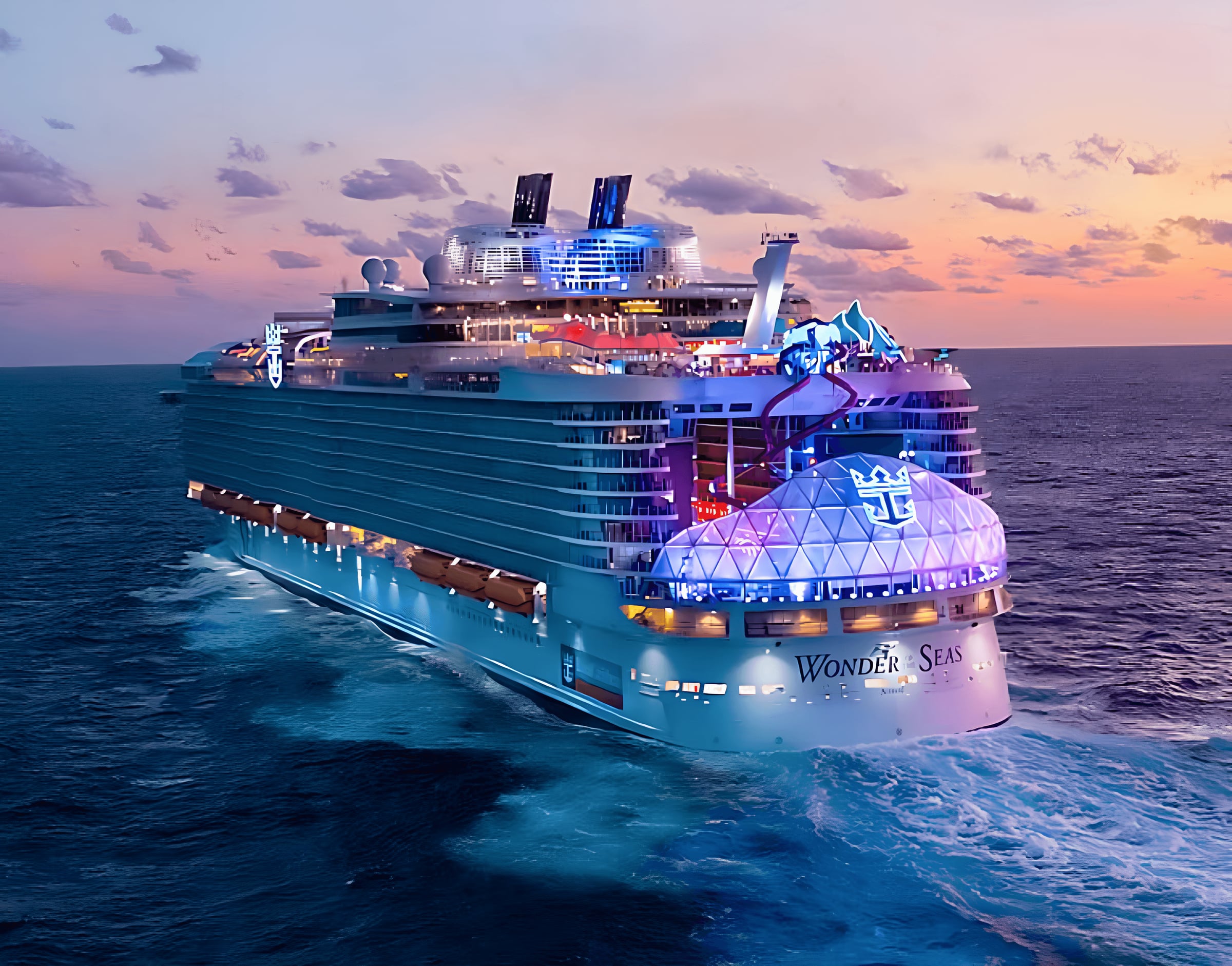
A 4-night sailing aboard the Wonder of the Seas — departing Port Canaveral on Aug 17, 2026.
Day by day
Notice what's doing the work: the trip is the headline, the options sit side by side, pricing is all-in and unhidden, and there's exactly one obvious action at the bottom.
The presentation problem nobody talks about
You can have all eight elements above and still lose the booking, because clients judge the document before they read it.
If two advisors send a client the same trip at the same price, and one arrives as a Word attachment with a screenshot pasted in and the other arrives as a link that opens beautifully on a phone, the second advisor wins. Not because the trip is better. Because one of them looks like a professional operation and the other looks like a favor from a friend.
That's not vanity — it's signal. Presentation is the only evidence a client has of how you'll handle the rest of their trip.
Three things matter most:
- It opens on a phone. Most clients read your proposal on a phone, on a couch, at night. A PDF that requires pinch-zooming is a proposal that gets "read later."
- It carries your brand. Your name and logo on the document, consistently, every time. Not a generic template with your name typed in a corner.
- It looks composed. Consistent type, real photography, aligned pricing. You don't need to be a designer — you need to stop rebuilding the layout from scratch on every quote.
We go deeper on this in How to make your travel proposals look professional.
Common mistakes that quietly cost bookings
Sending raw supplier material. Cruise line invoices and fare grids are written for you, not your client. Cabin codes, fare bases, and internal abbreviations don't build confidence — they create work.
Too many options. Three is generous. Seven is a decision you've handed back to the client.
No recommendation. Neutrality reads as indifference.
Waiting for perfect. A great proposal sent Tuesday beats a flawless one sent Friday. Momentum decays fast after a consultation.
No follow-up plan. Silence isn't a no. Most advisors send once and wait. A short, specific follow-up — "the Deck 10 balconies are down to four" — recovers a meaningful share of quiet proposals.
How long this should actually take
Here's the uncomfortable math. If a thorough proposal takes you ninety minutes and you send eight a month, that's twelve hours — an entire working day and a half — spent reformatting supplier data into something presentable.
That's the part worth automating. Not the expertise, not the recommendation, not the personal note — those are the job. The retyping is not.
That's the problem we built VoyageLine for: you paste the supplier email or drop a screenshot, we pull out the ship, dates, cabins and fares, you review every field, and it publishes as a branded proposal on a link your client opens on their phone. When they tap Ready to book, you know immediately.
The eight elements above still come from you. You just stop rebuilding the document.
The short version
A proposal that closes shows the trip, makes the decision obvious, and proves you're the expert. Give it a real overview, a specific itinerary, two or three options with a recommendation, all-in pricing, an honest inclusions list, a reason to choose you, one clear action, and a date it expires.
Then make sure it looks like it came from a professional — because that's the only part your client judges before they read a word.
Keep reading
- A free, client-ready proposal template — the framework above, section by section, with language you can copy
- How to make your proposals look professional — the seven things driving that ten-second judgment
- How to present options without overwhelming your client — how many, in what order, and why you should always mark a recommendation
- What to include in a cruise quote — cabin categories, all-in pricing and the six causes of post-booking surprises
- How to present pricing without losing the booking — all-in totals, promo value, and where the price should sit
- Why your Word doc proposal is costing you bookings — the five places attachments leak bookings
- How to follow up after sending a proposal — a sequence that recovers quiet proposals
Try it on your next quote. Your first three proposals on VoyageLine are free — no card, no demo call. Build one free →
Keep reading
How to Present Multiple Options Without Overwhelming Your Client
More choice feels generous and behaves like a burden. Here's how many options to send, how to order them, and why a recommendation isn't pushy — it's the job.
How to Follow Up After Sending a Travel Proposal
Silence isn't a no. It's usually a busy week. Here's a follow-up sequence with actual language — and why the worst message you can send is 'any thoughts?'
Why Your Word Doc Proposal Is Costing You Bookings
Nobody rejects a proposal because it was a Word doc. They just quietly don't reply. Here's the mechanism — and the five places attachments leak bookings.