Looking for a Creo Proposals Alternative? A Fair Comparison
An honest side-by-side of Creo Proposals and VoyageLine — pricing, how each handles supplier material, cruise-specific structure, and which advisors each one actually suits.
Disclosure: we make VoyageLine. Obviously we have a preference. What follows is our honest read of where Creo Proposals is genuinely strong and where we're different — because if you pick the wrong tool on the strength of a biased comparison, you'll churn in a month and nobody wins.
Verify current pricing and features on Creo's site before deciding; both products change.
What Creo does well
Credit where it's due — Creo is a well-built product with a clear idea:
- Upload a supplier invoice PDF, get a branded proposal. Clean, simple, one obvious path.
- AI-written descriptions. It generates experience-focused copy from the source document, which is a genuine time-saver.
- No subscription. Pay per proposal — $4 at entry, tiering down to $2.00 at volume — with 3 free to start and credits that never expire. If you send irregularly, a few in January and a dozen in wave season, that model is honestly excellent, and it's the thing we'd most want to match.
- Six templates, custom branding, a no-login client portal, one-click acceptance, and open tracking showing views, frequency and device.
- Genuinely useful content. Their blog is good. We've read it.
If you sell across many travel types and your suppliers reliably send clean PDF invoices, Creo is a reasonable choice and you may not need to read further.
Where we're different
1. Cruise-native vs. generalist
Creo is a travel proposal tool. Cruise documents get processed the same way as any other supplier document.
VoyageLine is built specifically for cruise. Ships, stateroom categories, decks, ports and sea days are first-class parts of the layout, backed by a ship and cabin catalog — not fields squeezed into a generic proposal form. In practice that means cabin categories arrive as Balcony, Category BA rather than "BA," scenic-cruising days show up as the highlight they are, and a client can actually tell an interior from an obstructed oceanview.
If cruise is a small part of your book, that matters little. If it's most of it, it's the whole difference.
2. How supplier pricing actually arrives
Creo's workflow centers on uploading an invoice PDF.
Cruise pricing frequently doesn't arrive that way. It's a forwarded email chain from a BDM, or a screenshot of a fare grid from a supplier portal, with prices buried mid-paragraph. VoyageLine takes a pasted email, a dropped screenshot, or manual entry — because that's the actual shape of the mess.
3. Pricing
| | VoyageLine | Creo | |---|---|---| | Free to start | 3 proposals | 3 proposals | | Pay-as-you-go | $2 / proposal, packs down to $1.40 | $4 / proposal, tiering down to $2.00 at volume | | Unlimited plan | $30 / month | none | | Team / agency plan | $19 per advisor/mo | none listed |
Both of us discount as you buy more, and we come in lower at both ends — half the price at entry ($2 vs $4), and roughly 30% less at the floor ($1.40 vs $2.00).
But the per-unit gap isn't the real story. The structural difference is that Creo has no unlimited plan. Depending on which tier you've reached, our $30/month unlimited becomes the cheaper option somewhere between 8 and 15 proposals a month — and past that the gap only widens. At 50 proposals a month, per-proposal pricing costs $100 even at Creo's best rate. Ours is $30.
To be fair to Creo: if you send five proposals a month, their ~$20 and our $10 are both small numbers, and never-expiring credits with no subscription is a genuinely appealing model.
4. Team and agency features
Creo is aimed at independent advisors and small agencies; we haven't seen team management in their product.
If you run — or belong to — an agency, VoyageLine has a host-agency layer: your logo on every advisor's proposal, required disclosures added automatically and non-removable by the advisor, an advisor directory with invite links, and control over which templates your team can use.
5. AI-written narrative
Worth naming as a real Creo advantage: they auto-generate experience-focused descriptions from the source document. That's a nice lift if you want the prose written for you.
Our bias runs the other way — we lean toward extracting facts accurately and leaving the voice to you, because the advisor's own words are usually the most persuasive thing in the document. Reasonable people differ on this; if you'd rather the tool write the copy, that's a point for Creo.
Which one fits you
Choose Creo if: you sell across many travel types, your suppliers send clean PDF invoices, you want the AI to draft the descriptions, and you want zero subscription commitment.
Choose VoyageLine if: cruise is most of your book, your pricing arrives as emails and screenshots, you want cruise-specific structure, you send enough volume that unlimited beats per-proposal, or you need agency-level brand and disclosure controls.
Either way: both are dramatically better than rebuilding proposals by hand in Word — which is where the real cost is.
See what ours looks like
A real proposal, flippable between six designs:
BAHAMAS
4 Nights Bahamas & Perfect Day Cruise
Day by day
Bahamas
4 Nights Bahamas & Perfect Day Cruise
Oceanview Balcony

Ultra Spacious Oceanview Balcony

Day by day
Bahamas
4 Nights Bahamas & Perfect Day Cruise
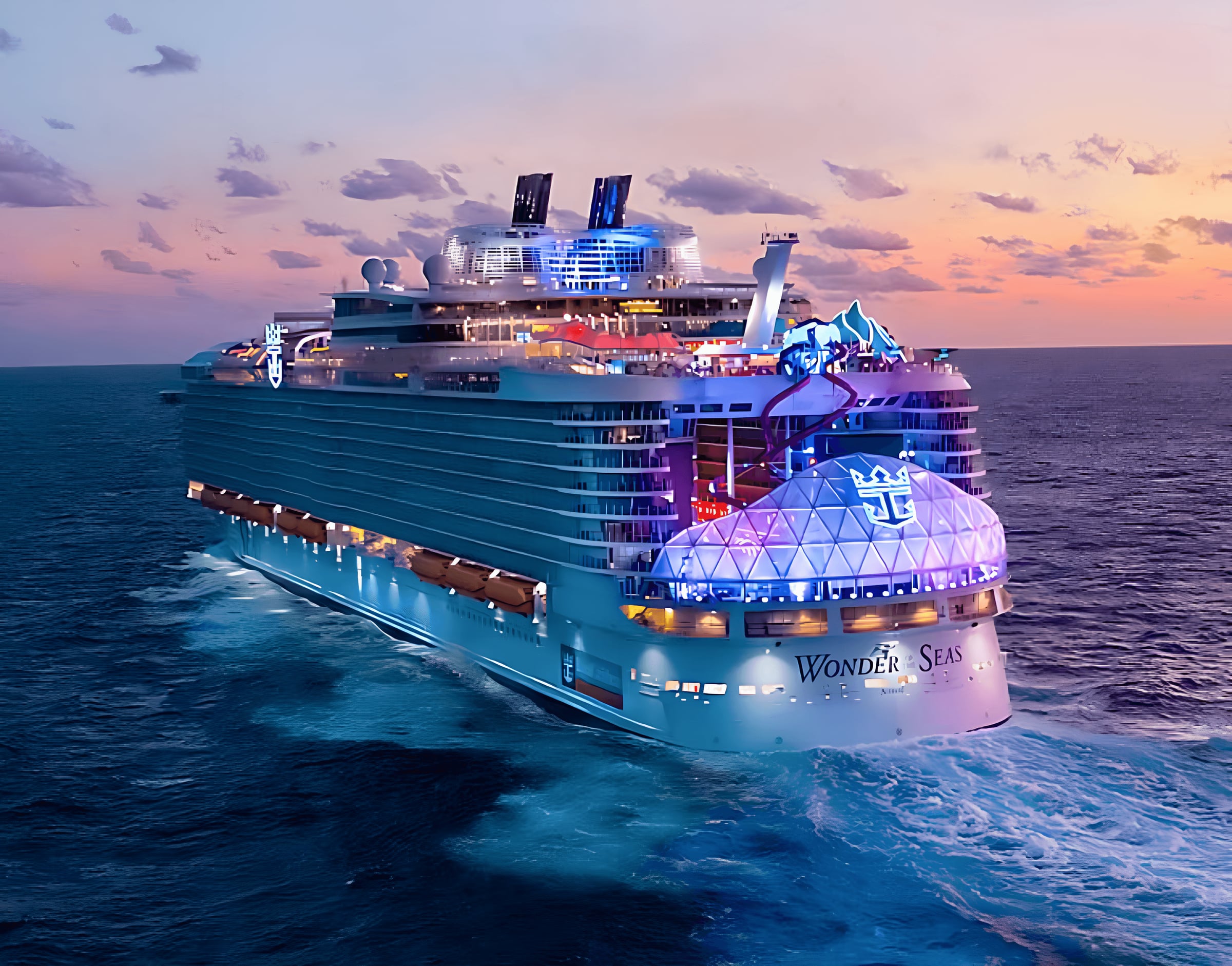
A 4-night sailing aboard the Wonder of the Seas — departing Port Canaveral on Aug 17, 2026.
Day by day
For a broader look at the category, see the best cruise quote software.
Compare them yourself. Your first three proposals are free — no card, no demo call. Build one free →
Keep reading
The Best Cruise Quote Software for Travel Agents (2026)
Six tools advisors actually use for cruise quoting, what each is best at, and the honest trade-offs. Written by the team behind one of them — we say so up front.
Looking for a Travefy Alternative? An Honest Comparison
Travefy does many things well. We do one thing — cruise proposals — very well. Here's how to tell which problem you actually have.
How to Present Pricing in a Travel Proposal (Without Losing the Booking)
Hiding the price feels safer and closes slower. Here's how to present travel pricing so clients feel in control instead of ambushed.